Contextmapping is an approach to map the context of everyday life to infuse innovation with real world user insights. It was developed as part of my Master graduation project (2003) and further developed through a PhD (2009), and implemention in design practice since 2006. Nowadays it is a wide spread approach to involve people as experts of their experience in the design process. Download the Field guide and for more resources, see publications, resources and practical tips.
Design Research
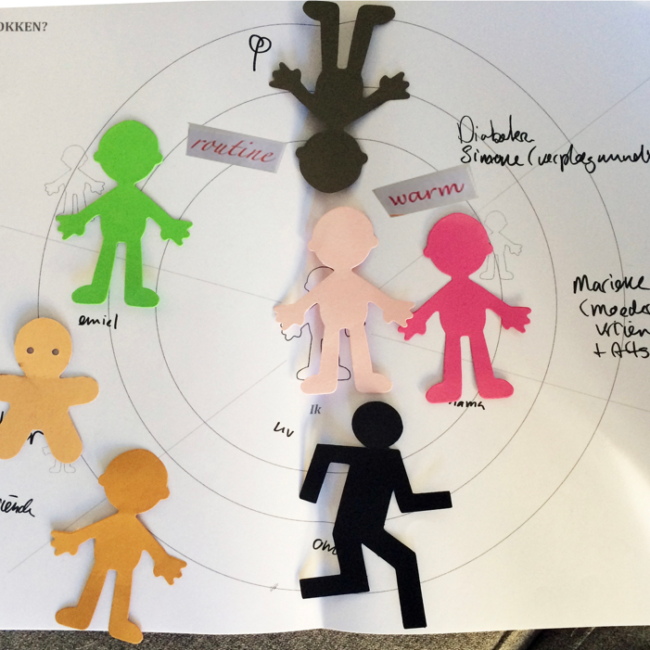
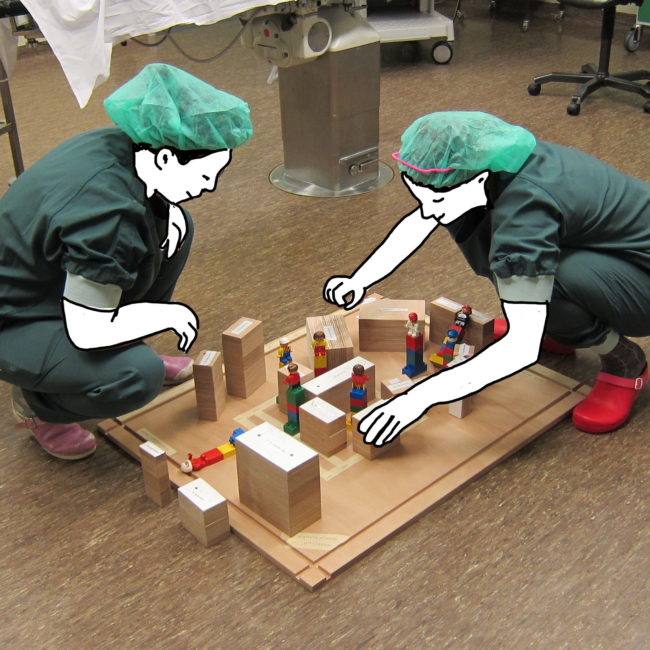
Contextmapping is a way to involve everyday people as ‘experts of their experience’ in design processes. With techniques like workbooks, probes, and generative sessions, participants are facilitated to observe and reflect on their personal experiences and diverse situations of use and be able to express them. This ‘context of use’ contains insights about their needs and wishes, feelings and values, their abilities and limitations, everyday routines and practices.
Working with people
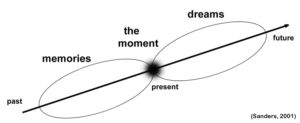
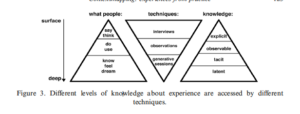
Part of this context is ‘above water’: people can tell about it, or it can be observed. But another part lies ‘below water’: tacit knowledge, and latent needs. Especially the latter are important, as they come into play in the future in which we aim to design for. By sharing created artefacts and stories they can inform and inspire the design process with insights grounded in people’s lived experiences.
Contextmapping Principles
1. explore everyday context
Everyday context involves a plurality of aspects. Think of physical, cultural, social contexts. They often use or are surrounded by various products, services, and systems. So observe and engage with people in this reality, if you want to learn what is important for them.
2. people are experts of their own experiences
People know best themselves what is meaningful and important to them. In that sense they are experts. As designers are experts of a creative process, the involved people are experts of their personal experiences. In that role you can invited them to your codesign process.
3. use generative techniques
3. use generative techniques